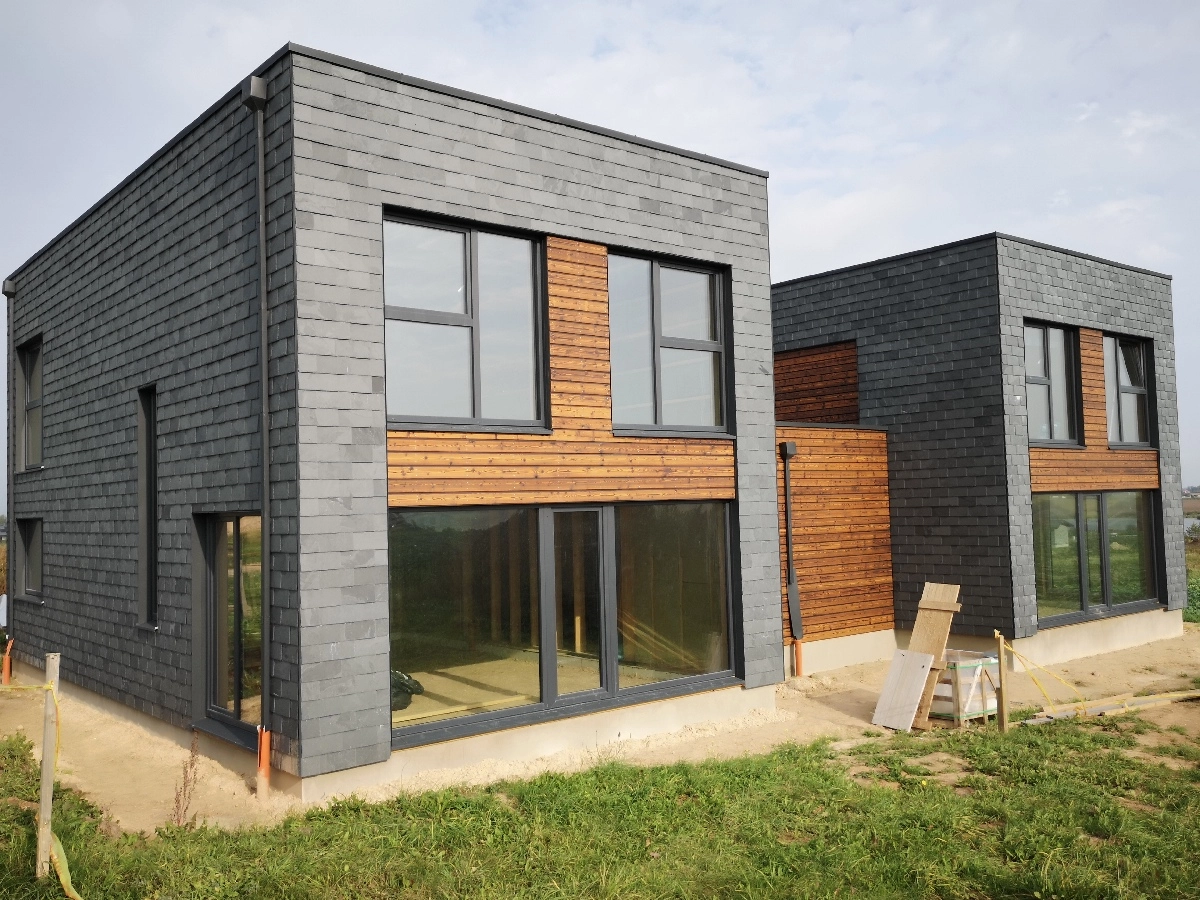
Charred Wood Cladding for Sale from Lithuania
Is charred wood cladding from Lithuania becoming a sought-after material in the UK, Sweden, Norway, Denmark, Ireland, and EU markets?
Yes, charred wood cladding from Lithuania is experiencing a surge in popularity across the UK, Sweden, Norway, Denmark, Ireland, and EU markets, becoming a favoured choice for architects, designers, and homeowners alike. This ancient Japanese technique, known as Yakisugi, is revitalized with Lithuanian craftsmanship and readily available for export, offering a unique blend of aesthetic appeal, durability, and sustainability that resonates deeply with contemporary European design preferences.
What exactly is charred wood cladding?
Burnt or charred wood cladding is a distinctive type of exterior siding produced through a traditional Japanese wood charring method called Yakisugi, or Shou Sugi Ban. This process involves carefully charring the surface of wood, typically softwood like larch or spruce, which are commonly used by Lithuanian producers such as Eco Facade. The charring process is not merely about aesthetics; it's a transformative treatment that enhances the wood's properties, making it an exceptional material for building facades.
Here’s a breakdown of the Yakisugi process:
- Selection of Wood: The process begins with selecting high-quality timber. Larch and spruce are frequently chosen due to their durability and suitability for charring. Eco Facade, based in Lithuania, utilizes these locally sourced woods, ensuring quality from the outset.
- Charring: The wood planks are then charred using a controlled fire. Traditionally, Japanese craftsmen used bundles of rice straw to create a smoky, oxygen-deprived fire. Modern methods, while varying, still aim to achieve a consistent level of char across the wood surface.
- Cooling and Cleaning: After charring, the wood is cooled and cleaned. This removes loose soot and char, revealing the textured surface beneath.
- Brushing (Optional): Some producers brush the charred surface to enhance the grain and create a smoother texture. This step can adjust the final aesthetic, offering variations from heavily charred to a smoother, subtly burnt look.
- Washing: Washing the wood further cleans the surface and prepares it for any potential finishes.
- Oil Treatment (Optional): Finally, the burnt wood can be treated with natural oils. This is not always necessary but can enhance the wood's water resistance and deepen the colour, as well as provide additional UV protection. Eco Facade offers oil treatments to further enhance the longevity and appearance of their cladding.
Why choose Lithuanian charred wood cladding for your next project in the UK, Sweden, Norway, Denmark, Ireland, or the EU?
Lithuanian charred wood cladding stands out as a premier choice for construction and design projects across the UK, Sweden, Norway, Denmark, Ireland, and the broader EU for several compelling reasons. Lithuania, with its rich forestry and woodworking traditions, has become a notable producer of high-quality burnt wood cladding, blending ancient techniques with modern demands. Choosing Lithuanian burnt wood offers a unique combination of benefits tailored to the discerning needs of these markets.
Here are key reasons to consider Lithuanian burnt wood cladding:
- Exceptional Quality and Craftsmanship: Lithuania has a long-standing history of woodworking, and Lithuanian producers are known for their meticulous attention to detail and high standards of craftsmanship. This expertise ensures that the burnt wood cladding is not only aesthetically pleasing but also structurally sound and precisely manufactured.
- Durable and Long-Lasting: The Yakisugi technique inherently enhances the durability of wood. Lithuanian burnt wood cladding is fire-resistant, moisture-resistant, and less susceptible to pests and decay. This longevity is particularly valued in the varied climates of the UK, Sweden, Germany, Norway, Denmark, and Ireland, ensuring minimal maintenance and long-term performance.
- Aesthetically Unique: Burnt wood cladding offers a striking and unique aesthetic that is highly sought after in contemporary architecture. The charred surface provides a rich, textured look that ranges from deep charcoal to subtle gradients, adding character and sophistication to any building. Lithuanian producers offer a variety of finishes and charring levels, catering to diverse design preferences across European markets.
- Sustainable and Eco-Friendly: Wood is a naturally renewable resource, and the burning process, when done correctly, adds to its sustainability. Lithuanian producers often source wood from sustainably managed forests, aligning with the growing environmental consciousness in the UK, Sweden, Finland, Norway, Denmark, Ireland, and the EU. Charred wood cladding is also a natural product, avoiding the use of harmful chemicals often found in other cladding materials.
- Adaptable to Various Climates: The Nordic and UK regions experience diverse and often harsh weather conditions, from damp and cold to sunny spells. Burnt wood cladding is exceptionally well-suited to withstand these variations, maintaining its integrity and appearance over time, making it a practical choice for these markets.
- Growing Trend in European Architecture: Charred wood cladding is increasingly popular in modern European architecture, prized for its aesthetic and environmental benefits. Lithuanian suppliers are well-positioned to meet this growing demand, offering styles and finishes that align with current design trends in the UK, Scandinavia, and across the EU.
- Competitive Pricing: Compared to some Western European and Japanese suppliers, Lithuanian producers can offer competitive pricing without compromising on quality. This cost-effectiveness makes high-end materials like charred wood cladding more accessible even for construction companies in Ukraine.
- Strong Export Capabilities: Lithuanian companies like Eco Facade are experienced in exporting to the UK, Sweden, Norway, Denmark, Germany, Ireland, and EU countries. They understand the logistics, standards, and requirements of these markets, ensuring a smooth and reliable supply chain.
What are the primary benefits of using burnt wood cladding?
Charred wood cladding, particularly when sourced from quality producers in Lithuania, offers a plethora of benefits that make it an excellent choice for various construction and design projects. These advantages extend beyond mere aesthetics, providing practical and environmental benefits that are increasingly valued in modern building practices across the UK, Sweden, Norway, Denmark, Ireland, and the EU.
The key benefits include:
- Enhanced Durability: The charring process significantly enhances the wood's durability. It becomes resistant to rot, decay, and insect infestation, which are common concerns with untreated wood, especially in damp climates prevalent in the UK and Nordic regions.
- Fire Resistance: Contrary to intuition, burnt wood cladding becomes more fire-resistant. The charred layer acts as a protective barrier, slowing down combustion and reducing flame spread. This is a critical safety feature that meets and often exceeds building regulations in many European countries.
- Moisture Resistance: The Yakisugi technique reduces the wood's hygroscopic properties, meaning it absorbs less moisture. This moisture resistance is particularly beneficial in wet climates, preventing warping, swelling, and rot, ensuring longevity and stability in regions like Ireland and Denmark.
- Low Maintenance: Once installed, burnt wood cladding requires minimal maintenance. Unlike painted or stained wood, it does not need regular re-treatment. The charred layer is naturally protective, reducing the need for ongoing upkeep, which is a significant advantage for property owners in all target markets.
- Extended Lifespan: Due to its enhanced resistance to fire, pests, and moisture, burnt wood cladding has a significantly longer lifespan compared to untreated wood. This longevity makes it a cost-effective option over time, reducing the frequency of replacements and contributing to sustainability.
- Unique Aesthetic Appeal: The distinctive charred texture and colour of burnt wood cladding provide a unique and sophisticated aesthetic. It offers a natural, yet contemporary look that is highly valued in modern architectural design across the UK, Sweden, Germany, Norway, Denmark, Ireland, and the EU, setting buildings apart with their visual appeal.
- Environmental Friendliness: As a natural product, wood is inherently more environmentally friendly than many synthetic cladding materials. When sourced from sustainably managed forests, as is common with Lithuanian producers, and treated with a natural, fire-based process, burnt wood cladding is an eco-conscious choice, aligning with green building standards and consumer preferences in environmentally aware markets like Sweden and Norway.
- UV Resistance: The charred surface provides a degree of UV resistance, helping to protect the wood from sun damage and maintain its colour and structural integrity over years of exposure to sunlight. This is beneficial in all climates, preventing fading and degradation.
Where are the ideal applications for charred wood cladding?
Charred or burnt wood cladding is remarkably versatile, making it suitable for a wide array of applications across the UK, Sweden, Norway, Denmark, Germany, Poland, Ireland, and EU markets. Its unique aesthetic and functional properties lend themselves to both residential and commercial projects, interior and exterior designs.
Here are some ideal applications:
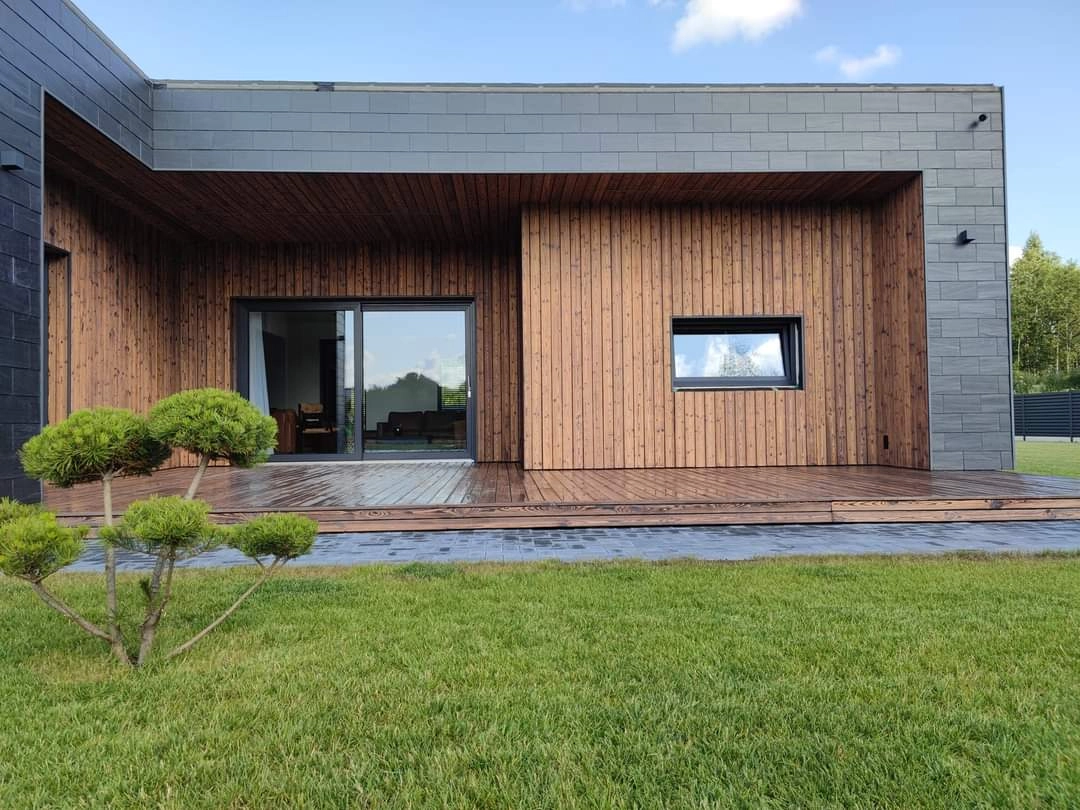
- Residential Homes: Charred wood cladding is increasingly popular for private residences, offering a sophisticated and modern look. It can be used for entire house facades or as accent features, such as on gables, entrance areas, or garden walls. Its durability and low maintenance are particularly attractive for homeowners in the UK and Ireland, where weather can be unpredictable.
- Commercial Buildings: For commercial properties like offices, restaurants, and retail spaces, burnt wood cladding provides a distinguished and contemporary facade. It can enhance brand image, attract attention, and create a welcoming yet robust exterior. In Scandinavian countries like Sweden and Norway, its natural aesthetic aligns well with minimalist and nature-inspired design trends.
- Public Buildings: Architects are increasingly specifying burnt wood cladding for public buildings such as libraries, schools, and community centres. Its durability and fire resistance make it a safe and long-lasting option, while its aesthetic appeal can contribute to creating inviting and modern public spaces across the EU.
- Interior Design: Beyond exterior use, burnt wood cladding is also making its way into interior design. It can be used as feature walls in lobbies, restaurants, or homes, adding texture and depth to interior spaces. Its unique look can create a focal point and bring a touch of nature indoors, appealing to design trends in Denmark and other EU countries.
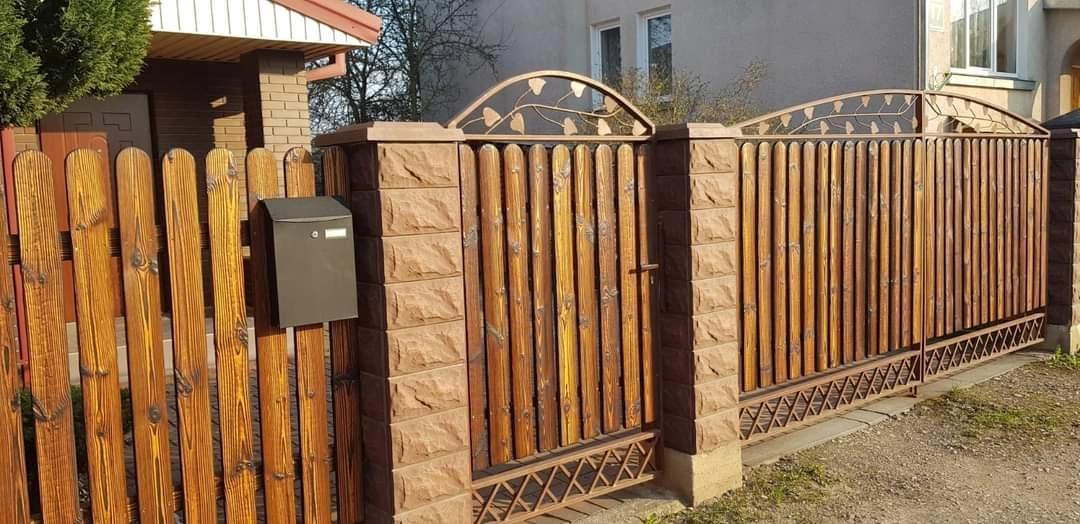
- Garden and Landscape Structures: Charred wood is excellent for outdoor structures like garden sheds, fences, planters, and pergolas. Its resistance to pests and moisture makes it ideal for garden environments, ensuring longevity and blending beautifully with natural landscapes, particularly in the gardens of the UK and Ireland.
- Saunas and Spas: The natural and durable qualities of burnt wood make it suitable for saunas and spa environments. Its moisture resistance is crucial in these humid conditions, and its aesthetic creates a calming, natural atmosphere, fitting well with wellness trends in Nordic countries and beyond.
- Acoustic Panelling: Charred wood can be crafted into acoustic panels for interior spaces. The textured surface can help diffuse sound, making it useful in offices, studios, or home theatres, combining functionality with aesthetic appeal across all target markets.
Why is Lithuanian charred wood cladding gaining popularity in the UK and EU markets specifically?
The rising demand for Lithuanian charred wood cladding in the UK, Finland, Poland, Sweden, Norway, Denmark, Ireland, and EU markets is driven by a confluence of factors that highlight its unique appeal and suitability for these regions. These markets, known for their sophisticated design sensibilities, environmental consciousness, and demanding climates, find in Lithuanian burnt wood cladding a material that perfectly aligns with their needs and preferences.
Several factors contribute to this growing popularity:
- Aesthetic Alignment with Regional Design Trends: The minimalist and nature-inspired design aesthetics prevalent in Scandinavian countries like Sweden, Norway, and Denmark, as well as the contemporary and rustic styles favoured in the UK and Ireland, resonate perfectly with the unique look of burnt wood cladding. Its natural texture and sophisticated charcoal tones enhance modern and traditional designs alike.
- Climate Suitability: The UK, Ireland, and Nordic countries experience challenging weather conditions, including high rainfall, humidity, and temperature variations. Charred wood cladding’s superior resistance to moisture, rot, and decay makes it exceptionally practical for these climates, ensuring longevity and reducing maintenance needs compared to less durable materials.
- Emphasis on Sustainability: Environmental consciousness is high across the UK, Sweden, Norway, Denmark, Ireland, and the EU. Burnt wood cladding, especially from sustainably managed forests in Lithuania, appeals to this eco-friendly ethos. Wood is a renewable resource, and the Yakisugi process is natural, avoiding harmful chemicals, which aligns with green building certifications and consumer preferences.
- Demand for Unique and High-Quality Materials: These markets are characterized by a demand for high-quality, distinctive building materials that set projects apart. Lithuanian charred wood cladding offers a unique aesthetic that is both timeless and contemporary, providing a premium look that enhances property value and appeal.
- Competitive Pricing from Lithuanian Producers: Lithuanian charred wood producers, like Eco Facade, can offer high-quality burnt wood cladding at competitive prices compared to suppliers in Western Europe or Japan. This cost-effectiveness makes burnt wood cladding accessible to a broader range of projects in these markets, from high-end developments to more budget-conscious builds.
- Strong Trade and Export Relations: Lithuania’s strong trade relationships within the EU and with the UK and Ireland facilitate easy and reliable export of charred wood cladding. Lithuanian companies are adept at navigating the logistics and standards required for these markets, ensuring timely delivery and consistent quality.
- Growing Awareness and Appreciation: Increased awareness of the Yakisugi technique and its benefits, coupled with successful showcase projects across Europe, has elevated the profile of burnt wood cladding. Architects, designers, and consumers are increasingly seeking out this material for its functional and aesthetic advantages.
How can you purchase charred wood cladding from Lithuania for your projects in the UK, Sweden, Norway, Denmark, Ireland, Germany, Finland, Poland?
Purchasing charred wood cladding from Lithuania for projects in the UK and EU markets is a straightforward process, thanks to established export channels and experienced Lithuanian producers like Eco Facade. To ensure a smooth procurement process, consider the following steps:
- Identify Your Needs and Specifications: Determine the specific requirements for your project. This includes the amount of cladding needed, desired wood type (larch, spruce), preferred charring level and finish, plank dimensions, and any specific treatments (e.g., oil finish). Eco Facade offers various customization options to meet diverse project needs.
- Research and Select a Lithuanian Supplier: Investigate Lithuanian producers of charred wood cladding. Eco Facade (https://ecofacade.lt/en/) is a prime example, specializing in high-quality Yakisugi cladding for export. Look for suppliers with a proven track record, positive client testimonials, and experience in exporting to your target market.
- Contact Suppliers for Quotations: Reach out to selected suppliers with your project specifications to request detailed quotations. Provide as much detail as possible to receive accurate pricing and lead times. Inquire about shipping costs, as these can vary significantly depending on the destination in the UK, Sweden, Norway, Denmark, Ireland, or the EU.
- Request Samples: Before making a large order, request samples to assess the quality, appearance, and finish of the burnt wood cladding firsthand. This step is crucial to ensure the material meets your aesthetic and quality expectations. Eco Facade and similar reputable suppliers are typically happy to provide samples.
- Verify Certifications and Sustainability Practices: Confirm that the supplier adheres to sustainable forestry practices and holds relevant certifications. This is particularly important for projects in environmentally conscious markets like Sweden and Norway. Ask about wood sourcing and any environmental certifications they possess.
- Discuss Logistics and Shipping: Clarify all logistics and shipping details with the supplier. Ensure they have experience shipping to your specific country and understand the import regulations and requirements. Discuss packaging, shipping insurance, and delivery timelines.
- Place Your Order and Arrange Payment: Once you are satisfied with the quotation, samples, and logistics, place your order. Discuss payment terms and methods with the supplier. Secure payment methods like letters of credit can provide security for larger transactions.
- Inspect Upon Arrival: Upon delivery, thoroughly inspect the charred wood cladding to ensure it matches the agreed specifications and has arrived in good condition. Address any discrepancies or damages immediately with the supplier.
Is charred wood cladding from Lithuania a sustainable and environmentally responsible choice?
Yes, charred wood cladding from Lithuania is indeed a sustainable and environmentally responsible choice, aligning with the growing global emphasis on green building practices, particularly in environmentally conscious markets like the UK, Sweden, Norway, Denmark, Ireland, and the EU. The sustainability of Lithuanian burnt wood cladding is rooted in both the inherent nature of wood as a material and the responsible practices of Lithuanian producers.
Here’s why it stands as a sustainable option:
- Renewable Resource: Wood is a naturally renewable resource, especially when sourced from sustainably managed forests. Lithuanian producers, including Eco Facade, often prioritize sourcing timber from responsibly managed forests. This ensures that harvesting is balanced with regrowth, preserving forest ecosystems for future generations.
- Low Carbon Footprint: Compared to many other building materials like concrete, steel, or plastic, wood has a significantly lower carbon footprint. Trees absorb carbon dioxide from the atmosphere as they grow, and this carbon remains stored in the wood even after it's harvested and used in construction. Using wood cladding helps to sequester carbon, contributing to climate change mitigation.
- Natural and Non-Toxic Process: The Yakisugi technique is a natural process that primarily uses fire to treat the wood. Unlike chemical treatments often used for wood preservation, burning is non-toxic and does not introduce harmful chemicals into the environment or the building. This is particularly appealing in markets with stringent environmental and health standards.
- Durability and Longevity: The enhanced durability of burnt wood cladding means it lasts longer than many other cladding materials. This extended lifespan reduces the need for frequent replacements, conserving resources and reducing waste over time. Longevity is a key factor in sustainable building, minimizing environmental impact across the lifecycle of a building.
- Energy-Efficient Production: The production of charred wood cladding is relatively energy-efficient compared to energy-intensive materials like cement or aluminium. The primary energy input is in the controlled burning process, which, when optimized, has a lower energy demand than many industrial manufacturing processes.
- Reduced Waste: Durable materials like charred wood cladding contribute to reducing construction waste. Less frequent replacements mean less demolition waste and lower demand for new materials, supporting circular economy principles in construction.
- Biodegradable and Recyclable: At the end of its long life, wood is biodegradable and can be recycled or repurposed, unlike many synthetic cladding materials that end up in landfills. This biodegradability further reduces the environmental impact and supports sustainable waste management practices.
What makes Lithuanian charred wood cladding truly unique in the market?
Lithuanian charred wood cladding distinguishes itself in the global market through a combination of factors that highlight its unique origin, craftsmanship, and quality. While the Yakisugi technique itself is ancient and globally recognized, Lithuanian producers bring distinctive elements to their burnt wood cladding that set it apart.
The unique aspects include:
- High-Quality Lithuanian Timber: Lithuania boasts rich forests, particularly of high-quality larch and spruce, which are ideal for burnt wood cladding. The specific climate and soil conditions in Lithuania contribute to the density and durability of these woods, enhancing the final product. Eco Facade specifically utilizes these superior local resources.
- Skilled Craftsmanship and Tradition: Lithuania has a strong tradition of woodworking and craftsmanship. Lithuanian producers combine this heritage with modern techniques to create charred wood cladding that is not only aesthetically refined but also meticulously crafted to meet high standards of quality and precision.
- Customization and Variety: Lithuanian suppliers offer a wide range of customization options, from varying charring levels and textures to different finishes and plank sizes. This flexibility allows architects and designers in the UK, Sweden, Norway, Denmark, Ireland, and the EU to achieve specific aesthetic and functional requirements for their projects.
- Competitive Pricing for Premium Quality: Lithuanian charred wood cladding offers a compelling value proposition. It provides premium quality and unique aesthetics at competitive price points compared to burnt wood from other regions, making it an attractive option for budget-conscious projects seeking high-end materials.
- Adaptation to European Design Preferences: Lithuanian charred wood producers are attuned to the design preferences of European markets. They offer styles and finishes that align with contemporary European architectural trends, ensuring that their burnt wood cladding is not only functional but also highly fashionable and desirable in the UK, Scandinavia, and across the EU.
- Strong Export Focus and Reliability: Lithuanian companies have developed strong export capabilities and a reputation for reliability. They understand the logistical needs of shipping to the UK, Sweden, Norway, Denmark, Ireland, and EU countries, ensuring consistent supply and dependable service.
- Commitment to Sustainability: Lithuanian producers are increasingly committed to sustainable practices, from sourcing wood from responsibly managed forests to employing eco-friendly production processes. This commitment resonates with the growing demand for sustainable building materials in European markets, enhancing the appeal of Lithuanian charred wood cladding.
Looking to the future: Why will charred wood cladding from Lithuania continue to be appealing?
The appeal of charred wood cladding from Lithuania is poised to endure and grow in the UK, Sweden, Germany, Finland, and EU markets due to its inherent advantages and alignment with evolving architectural and environmental trends. As these markets continue to prioritize sustainability, unique aesthetics, and durable building materials, Lithuanian charred wood cladding is exceptionally well-positioned to meet these demands.
The continued appeal can be attributed to several factors:
- Timeless Aesthetic: The unique aesthetic of charred wood cladding is not a fleeting trend but a timeless style that blends natural beauty with contemporary design. Its sophisticated look ensures its continued desirability in architectural projects for years to come.
- Growing Demand for Sustainable Materials: The global push towards sustainability in construction is intensifying. Burnt wood cladding, with its eco-friendly credentials, is set to become even more attractive as environmental regulations tighten and consumer preferences shift towards green building solutions.
- Long-Term Cost-Effectiveness: While the initial cost of burnt wood cladding might be perceived as higher than some conventional materials, its longevity and low maintenance requirements translate to long-term cost savings. This life-cycle value will continue to appeal to budget-conscious developers and homeowners.
- Versatility in Application: The versatility of charred wood cladding across various applications, from residential to commercial, interior to exterior, ensures its relevance across diverse project types. This adaptability will sustain its demand in varied market segments.
- Continued Innovation by Lithuanian Producers: Lithuanian producers like Eco Facade are expected to continue innovating in terms of finishes, treatments, and applications of burnt wood cladding. This ongoing development will keep Lithuanian products at the forefront of the market, meeting and anticipating evolving design and functional needs.
- Strong Market Foundation: Having established a solid presence and positive reputation in the UK, Sweden, Norway, Denmark, Ireland, and EU markets, Lithuanian charred wood cladding is building a strong foundation for sustained growth. Word-of-mouth, successful projects, and increasing market awareness will further solidify its appeal.
- Alignment with Biophilic Design Trends: The trend towards biophilic design, which emphasizes connecting buildings with nature, is gaining momentum. Burnt wood cladding, as a natural material with a unique texture and organic feel, perfectly aligns with biophilic design principles, enhancing its appeal in future architectural projects.
In conclusion, charred wood cladding from Lithuania offers a compelling combination of aesthetic beauty, durability, sustainability, and value that resonates strongly with the demands of the UK, Sweden, Norway, Denmark, Ireland, and EU markets. As these markets continue to evolve, Lithuanian charred wood cladding is well-poised to remain a material of choice for discerning architects, designers, and property owners seeking both timeless appeal and responsible building solutions.
Are you interested in export charred timber cladding to the UK? Please contact Eco Facade for more information!